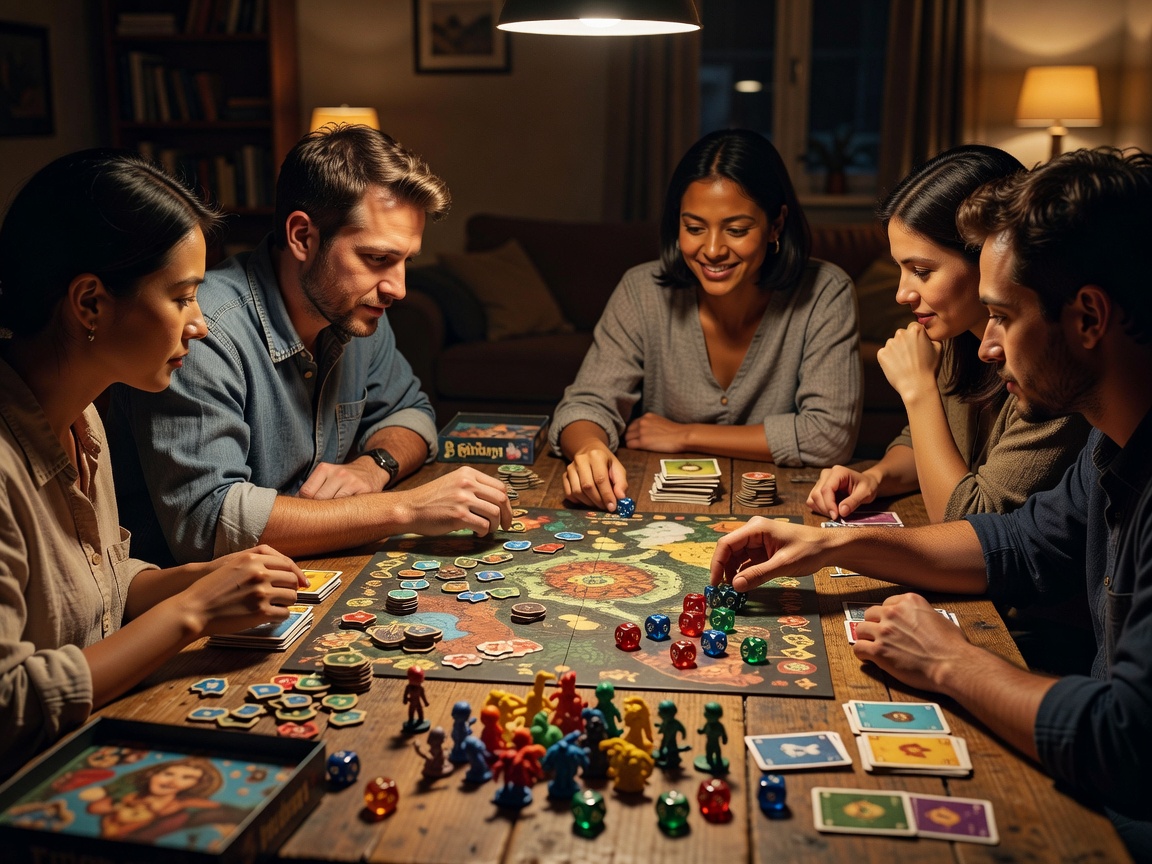
Open gaming: flexible, self-directed play
Open gaming generally means guests choose a game and play without joining a scheduled competition or lesson. The group sets its own pace. This format suits friends who already know what they want, as well as visitors who are comfortable browsing a collection and asking for suggestions. It may be less structured than an event, but it still follows the venue's booking, table and service rules.
Check whether open play requires a reservation or a separate play fee. Ask if a table is shared, whether walk-ins are accepted and how long a group may stay during busy periods. If your group wants to meet new players, confirm whether the café has a social table or whether guests are expected to arrive together.
Learn-to-play: a guided introduction
A learn-to-play session focuses on explaining a game before or during the first round. A host may demonstrate components, outline the goal and guide early turns. This can lower the barrier for a new title, but a teaching session is not the same as a full course or guarantee of mastery. The length and depth of instruction depend on the game and the format.
Ask whether the session is open to beginners, whether you need to book, and if the game is selected in advance. Arrive with enough time for setup and explanation. Tell the facilitator if the group needs a slower pace, accessible components or a rules summary in another language. A clear teach works best when players can see the pieces and ask questions without feeling rushed.
Social tables and community nights
A social table can connect people who arrive alone or in smaller groups. Participants may take turns joining short games or form a table around a shared interest. Community nights can be recurring, themed or informal. The label alone does not tell you how newcomers are welcomed, how groups are formed or which language is used. Check the event description and ask the organizer how participation works.
These formats can make it easier to meet other players and try a range of games. They may also involve more conversation, changing player groups or waiting between rounds. If you prefer to stay with your own group, a reserved table may suit you better.
Organized tournaments: rules and timing matter
A tournament uses a defined competitive structure. The organizer may set pairings, rounds, scoring, start times and eligibility. Formats can vary widely; do not assume a particular rule set, prize or level of competition from the word “tournament.” Read the event information and contact the organizer when a condition is unclear.
Arrive before the stated start, bring any requested materials and learn the event's procedures. Ask about late arrival, breaks, accessibility and whether participants must know the game already. Competitive play calls for clear communication and respect for the published format. Keep disputes calm and follow the organizer's process.
Casual play versus structured events
Casual play gives a group more control over the game, pace and breaks. It works well when plans may change or participants have different levels of experience. The limitation is that the group must select a game, understand the rules and manage its own timing. A structured event reduces some of that work through a host, schedule or shared activity. In exchange, it may require registration, punctuality and commitment to a fixed duration.
Beginner sessions prioritize accessibility and explanation. Competitive formats prioritize consistent rules and outcomes. Social tables prioritize meeting and playing with others. These aims can overlap, but they are not interchangeable. Choose the format that matches what your group actually wants from the evening.
Booking, group size and table etiquette
- Check if registration is required and whether it covers each participant.
- Confirm the recommended group size and whether individuals can join.
- Arrive with time for check-in, ordering and rules explanations.
- Ask before taking a table reserved for an event or moving components.
- Keep food and drinks clear of game materials; follow the venue's handling rules.
- Be considerate when a table is near its end time or another booking.
- Let a host know about an access need before the session where possible.
Table turnover matters when the venue has reservations. A long game may not fit between bookings. Choose an estimated duration that leaves room for setup and pack-down, and do not start a second game without checking your time. If a game runs late, ask staff how to handle the table rather than assuming extra time is available.
Good for
Open play suits self-directed groups. Teaching sessions suit players new to a game. Social tables can help visitors meet other players. Organized events suit people who want a defined structure and can follow a schedule. Beginners may prefer a hosted introduction over choosing a complex title alone.
What to check
- Event type, start time, duration and registration process.
- Whether newcomers can join and how groups are assigned.
- Game knowledge expected and rules-teaching support.
- Play fees, booking terms, late-arrival policy and table end time.
- Language, accessibility, noise and space arrangements.
Related guides
Browse game categories, learn about café layouts and play models, or review venue selection checks.