Start with the visit, not the venue label
Write down the conditions that matter before comparing cafés. Note how many people are attending, the kind of game you plan to play, how long you have and any access requirements. Decide whether you want a quiet conversation or a lively group setting. These basics help you ask specific questions and avoid relying on promotional language alone.
For a first visit, a flexible plan is useful. Select a game category rather than one exact title, and have a backup if the library copy is in use. Confirm information that can change, including current hours, booking terms, menu availability and play charges, directly with the venue before travelling.
Game library and staff support
Check whether a library is available to all guests, whether games can be reserved and how the shelves are organized. A selection described as “large” may not answer your question. Ask about a category, player count or learning level that suits your group. If a particular title is important, ask whether it can be held and what happens if it is already being played.
Staff may be able to suggest games or explain basic rules. Support can be limited during a busy service period, so do not plan on a detailed teach unless the venue says one is available. Ask whether there is a game menu, catalogue or system for requesting help.
Tables, seating and group capacity
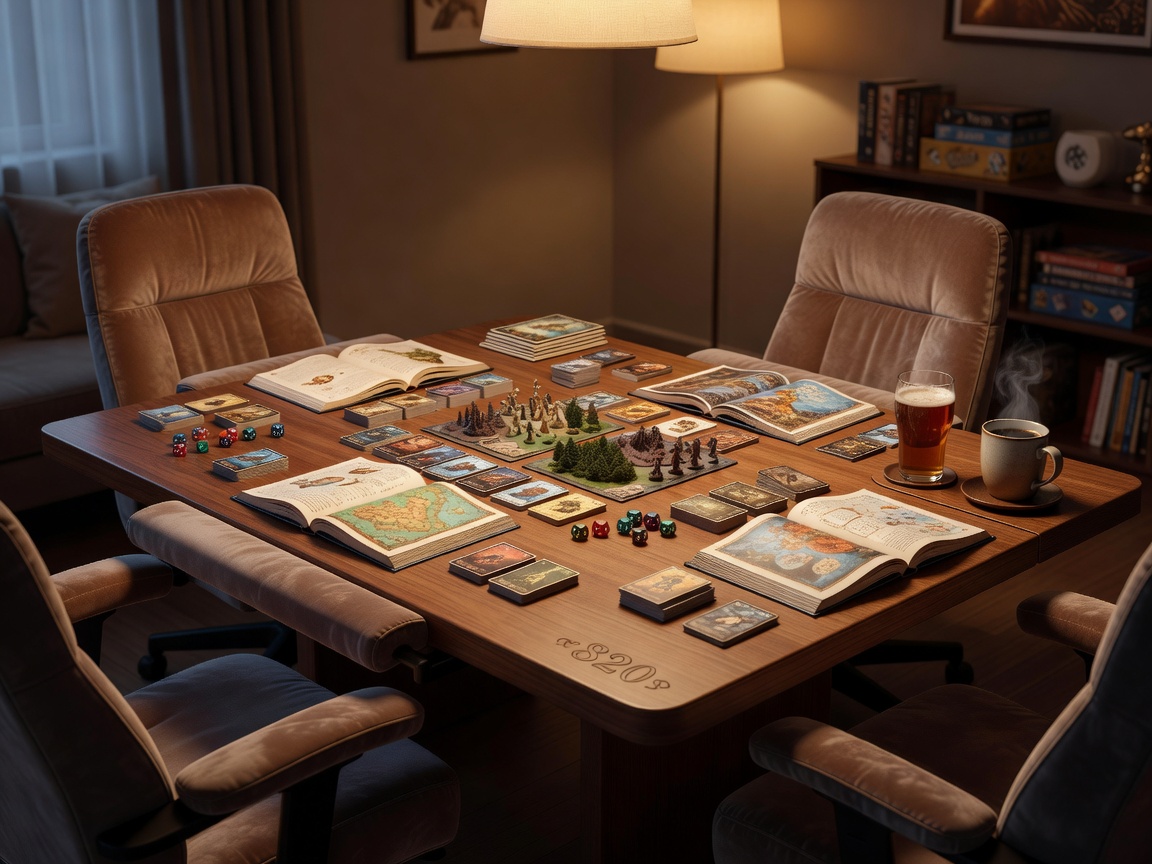
Table size matters. A broad board, player mats and shared cards need more room than a compact deck. Ask about the dimensions of group tables or describe the game components you expect to use. Consider space for food and drink as well. Seating comfort, chair support, aisle width and lighting can influence how long a group can play comfortably.
Capacity is more than the number of seats. A table may technically fit a group but leave little room to move or access the game. Find out whether a reservation is needed for a larger party and whether all members must arrive together. If children or mobility aids are part of the visit, explain what is required instead of relying on a general accessibility label.
Accessibility, noise and lighting
Accessibility needs are specific. Ask about step-free entry, door widths, accessible toilets, seating options and the route between the entrance and table. If anyone has low vision, ask about lighting and whether game pieces have readable text, distinct shapes or color-independent markings. For hearing needs, ask about the room's general sound level and whether a quieter area is available.
Noise can vary by day, event and room. Music, food service, conversations and events all contribute. A venue cannot always guarantee a quiet table, so ask when a quieter period is likely rather than assuming. Share only the information needed to help staff recommend a workable arrangement.
Food, drink, booking and fees
Check whether food and drinks are served at the table, ordered at a counter or subject to other conditions. Ask about allergens and dietary information directly with the venue. Understand how play is charged: common models include hourly table fees, per-person play fees, memberships or food-and-drink minimums. These are categories, not a promise that a particular café uses them. Ask for the current amount and when the charge applies.
Read reservation terms before confirming. Check the arrival window, cancellation policy, session length and whether the table must be vacated at a stated time. If you plan to play a long game, ask whether the booking allows enough time for explanation and pack-down. Walk-in space may depend on demand and cannot be assumed from a past visit or listing.
A compact comparison framework
Score each option against the same five questions: Does it fit the group? Can the game fit the table? Are access and sound requirements workable? Are booking and charges clear? Is the location and schedule practical? Mark each as “confirmed,” “needs a question” or “not a fit.” This simple framework highlights gaps without inventing a numerical rating or treating one feature as decisive.
Advantages of comparing in advance include fewer surprises, clearer group expectations and more time for play. The limitation is that online descriptions may be incomplete or outdated. Direct questions are most useful for information that changes or affects access. Be prepared to revise plans if the venue cannot accommodate a requirement.
Good for
This checklist helps anyone planning a group visit, especially first-time guests, larger parties, people with access needs, visitors with a tight schedule and players planning a game that needs substantial table space.
What to check
- Game selection and whether a title can be reserved.
- Table size, seating, lighting and group capacity.
- Step-free access, toilets, aisles and other specific requirements.
- Noise, food service, dietary questions and drink policies.
- Current opening hours, location, booking rules and cancellation terms.
- Play fees, time limits and staff support for rules.
Related guides
Learn about how café models work, compare game types, or plan around event formats.